
Maria Castillo
- Posted on
Understanding the psychological triggers behind gambling behavior
Understanding the psychological triggers behind gambling behavior
The Allure of Uncertainty
Gambling is inherently rooted in uncertainty, which creates a strong psychological draw for many individuals. The thrill of not knowing the outcome can lead to excitement and anticipation, which many find intoxicating. This uncertainty plays a significant role in reinforcing gambling behavior, as individuals often seek the adrenaline rush that accompanies risk-taking. The unpredictability associated with gambling becomes a compelling reason for players to return, hoping that the next round will bring them luck. This is where the experience of betty casino captures attention, drawing players into a world of possibilities.

The phenomenon known as the “near-miss effect” further enhances this allure. Players often feel that they were close to winning, which can trigger feelings of hope and motivation to continue gambling. When individuals experience near-wins, their brains release dopamine, a neurotransmitter associated with pleasure and reward. This biochemical response encourages the belief that a win is just around the corner, propelling individuals to engage more frequently in gambling activities, often against their better judgment.
Moreover, the desire for uncertainty can also be linked to broader psychological concepts such as the thrill of taking risks. For some, engaging in risky behaviors like gambling provides a temporary escape from their mundane realities. This thrill-seeking behavior can be amplified in social settings where peer influence encourages individuals to partake in gambling, further deepening their psychological involvement with the activity.
Addiction and Compulsion
Gambling can escalate from a casual pastime to a compulsive addiction, driven by psychological triggers. For many, gambling becomes a way to cope with stress, anxiety, or other mental health challenges. When individuals use gambling as a form of escapism, the behavior can quickly spiral out of control, leading to a dependency that impacts their personal and financial lives. Understanding the psychological mechanisms behind gambling addiction is crucial for developing effective treatment strategies.
The cycle of gambling addiction is often fueled by cognitive distortions, such as the illusion of control and gambler’s fallacy. Many individuals believe they can influence outcomes through their actions, leading them to place higher stakes. This flawed reasoning can create a destructive loop where individuals repeatedly gamble in hopes of winning back their losses, reinforcing their addiction. Recognizing these cognitive distortions is vital for anyone seeking to understand their gambling behavior or that of someone close to them.
Additionally, underlying emotional factors play a significant role in fostering gambling addiction. Many individuals turn to gambling as a coping mechanism, using it to manage feelings of loneliness, depression, or low self-esteem. This emotional reliance on gambling can lead to a vicious cycle where temporary wins provide short-term relief but ultimately contribute to long-term emotional distress and financial instability.
The Role of Environment and Social Influences
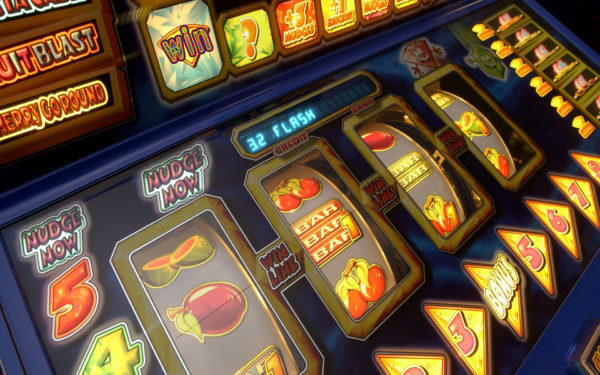
The environment in which individuals gamble significantly impacts their behavior and susceptibility to gambling triggers. Casinos and gambling venues are often designed to create an enticing atmosphere that encourages prolonged play. Bright lights, captivating sounds, and the presence of other gamblers create a sensory overload that can heighten arousal and prompt impulsive decisions. This stimulating environment makes it challenging for individuals to regulate their gambling behavior effectively.
Social influences also play a crucial role in shaping gambling behaviors. Friends and family can either encourage or discourage gambling activities, and peer pressure can lead individuals to gamble more than they initially intended. Social validation often reinforces gambling behavior, as individuals may feel more inclined to participate when surrounded by others. This social aspect further complicates the psychological triggers associated with gambling, as individuals may equate their self-worth with their success or participation in gambling activities.
Moreover, marketing strategies employed by gambling platforms often exploit these social and environmental factors. Promotions that create a sense of urgency or exclusive offers can entice individuals to gamble more. Understanding how these external triggers interplay with individual psychology is essential for developing a comprehensive view of gambling behavior and addiction.
The Psychological Impact of Wins and Losses
The psychological ramifications of both wins and losses in gambling are profound and can significantly influence future gambling behavior. Winning can create a euphoric state, resulting in a powerful reinforcement loop that encourages continued gambling. However, the fleeting nature of wins often leaves individuals chasing that high, leading to more frequent gambling. The highs of winning can overshadow the lows of losing, making it difficult for individuals to assess their gambling objectively.
Conversely, the emotional fallout from losing can be significant and often leads to a desire to gamble even more to recover losses. This “chasing losses” mentality can be detrimental, as it often causes individuals to make increasingly reckless decisions in pursuit of a win. Over time, this cycle can lead to severe emotional distress, financial problems, and strained relationships. The psychological impact of these cycles emphasizes the need for awareness and intervention strategies in gambling addiction.
Overall, the psychological effects of wins and losses create a complex landscape of emotions that can entrap individuals in a cycle of gambling. Understanding these dynamics is essential for those seeking to break free from compulsive gambling behavior or help others do so. Developing awareness about the psychological triggers associated with gambling can pave the way for healthier coping mechanisms and improved mental well-being.
Betty Casino Journey: A Responsible Gaming Experience
As the conversation around gambling behavior and addiction continues to grow, it is crucial to promote responsible gaming practices. Betty Casino Journey offers an engaging mobile gaming experience designed to entertain while also emphasizing awareness around gambling addiction. This game combines captivating gameplay with mythological lore, creating an adventure that immerses players in a universe of exploration without excessive risks.
Betty Casino Journey encourages players to enjoy the thrill of gaming while remaining mindful of their habits. Through its vibrant graphics and user-friendly mechanics, the game caters to both new and experienced players, providing a balanced experience that promotes healthy gameplay. Players are reminded of the importance of setting limits and recognizing when it is time to step back, fostering a responsible gaming culture that prioritizes enjoyment and well-being.
Ultimately, understanding the psychological triggers behind gambling behavior is vital not only for players but also for developers in the gaming industry. By promoting awareness and responsible gaming practices, platforms like Betty Casino Journey can contribute to a healthier gaming environment where enjoyment does not come at the cost of personal and financial well-being.